
August 27, 2026
Agency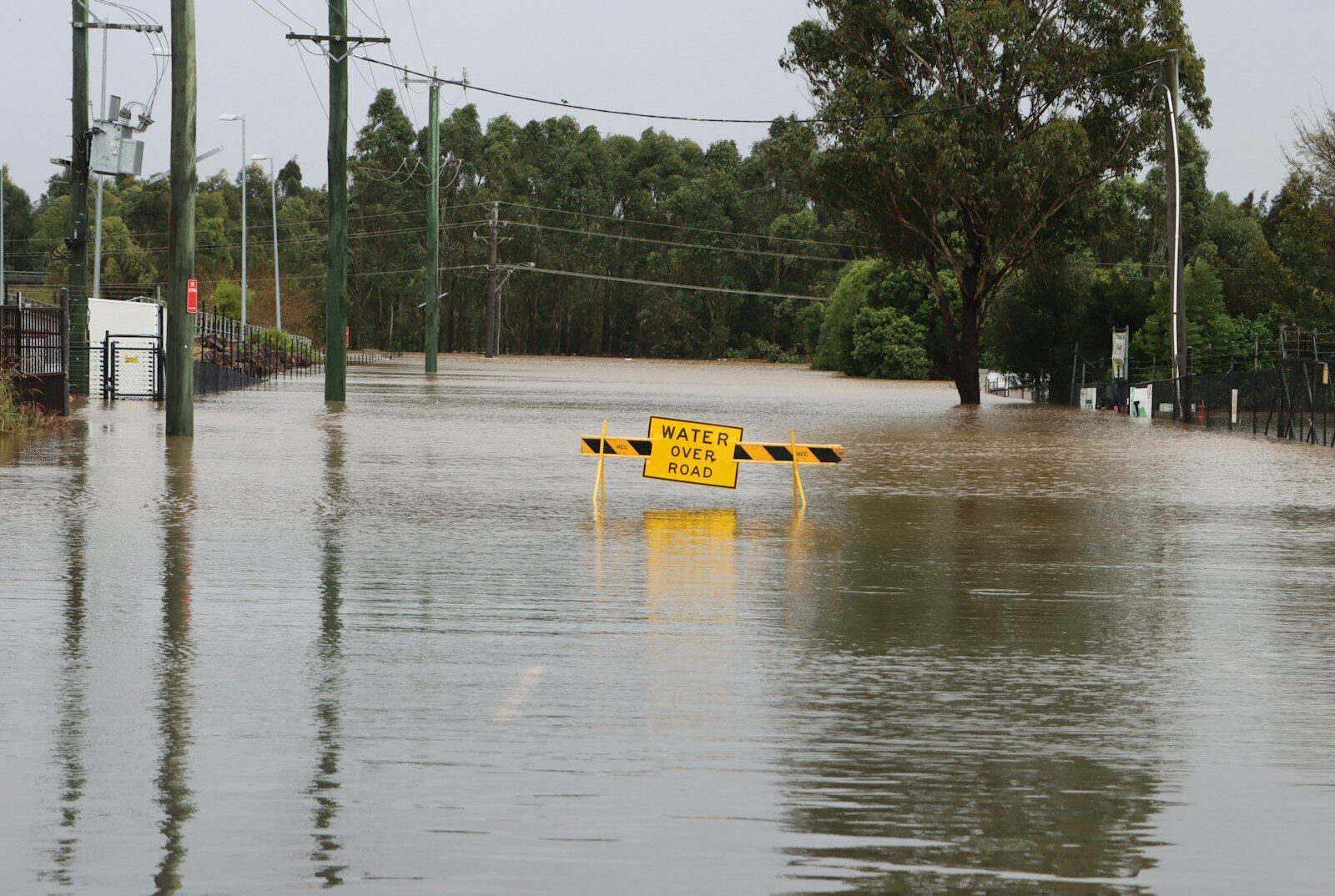
Why “Surface Water” Language Matters in Flood Claims
A flood claim denial can arrive at the worst possible moment, when your home is damaged and your finances are already under pressure. For many homeowners, the denial comes down to two words buried in their policy: “surface water.” Paige Agency can help you understand how your flood insurance responds after severe weather.
What Does “Surface Water” Mean in Flood Insurance?
Surface water refers to water that accumulates on the ground from rain, snowmelt or overflow before it absorbs into the soil or enters a drainage system. It may collect in yards, move across driveways, and enter structures as runoff from heavy precipitation, even when no river, lake or stream has overflowed. Standard homeowners policies generally exclude flood-related losses, and some flood policies define covered events narrowly. If surface water from a heavy rainstorm causes damage but your policy only covers water from a named body of water, you may have no coverage at all.
Why Policy Language Matters for Homeowners
Specific wording in your flood insurance policy determines what qualifies as a covered loss. Whether a loss is covered depends on how your policy defines flooding and surface water. Common coverage gaps include:
- Foundation seepage: Water entering through cracks from saturated ground, which many policies exclude outright
- Neighboring runoff: Stormwater flowing in from adjacent properties
- Drainage backup: Overwhelmed municipal systems pushing water back, which may call for a separate endorsement
- Surface pooling: Accumulation from driveways, rooftops and other impervious surfaces
How to Navigate the Flood Insurance Process
Reviewing your policy before a storm is the first step toward financially protecting your home. Ask your agent to walk through exclusions, definitions and any endorsements that expand surface water coverage. Homeowners in areas with heavy seasonal rainfall may benefit from this review annually.
Contact Our Agency
Contact Paige Agency to review your current flood coverage and discuss whether your policy language reflects what your home needs.
This blog is intended for informational and educational use only. It is not exhaustive and should not be construed as legal advice. Please contact your insurance professional for further information.
Categories: Blog, Flood Insurance